CINEMA TRIP


THERE WILL BE A
CINEMA TRIP
FOR ADULTS ON
WEDNESDAY EVENING 8TH NOVEMBER 2006

IF YOU WOULD LIKE TO ATTEND PLEASE SIGN YOUR NAME ON LIST AT RECEPTION

**FILM WILL BE ANNOUNCED ONCE LIST HAS BEEN COMPILED OF INTERESTED RESIDENTS

RIS Galway office

Since 2003, the RIS Galway office has delivered accurate and up to date information on the rights and entitlements of individual asylum seekers and refugees in Galway city on a weekly basis through three drop-in clinics (Tuesday afternoons in the Galway People’s Resource Centre from 2.00 – 4.30 pm and in the Citizens Information Centre on Monday afternoon from 2.00 – 4.30 pm and on Thursday morning from 10.30 – 1.00 pm). RIS has also provided training on the rights and entitlements of various status holders for staff of the Citizen’s Information Centre and other statutory and voluntary agencies.
Queries presenting in clinics continue to be varied ranging from questions on the asylum determination process to residency, citizenship and family reunification. Changes in government policy and issues emerging from the community also influence the queries presenting in clinics.
In addition during 2005, we began to conduct periodic information sessions for groups of asylum seekers in accommodation centres in the Galway/ Mayo/ Donegal region, in response to requests from accommodation centre management and local community organisations Through this work, we identified an acute need in accommodation centres outside the Galway city catchment area.
As a result we extended our service to the Mayo area in January 2006 as a pilot project initially. We are currently operating a clinic from the Family Centre in Ballyhaunis on a monthly basis.
For further information on the Galway service, please contact Judy Irwin, Monday – Friday on 091 532850.

HOME MANAGEMENT COURSE


There will be a home management course taking place in the Eglinton Hotel.
The 8 week course will involve some practical work including:
Cooking, advice on maintaining a home in Ireland, including advice on nutrition & health, shoping and budgeting.
Space for this course is limited so please sign up now.
Some of the course will take place outside of the Hotel.
This course will start in the first week of November once spaces have been cofirmed.

Subsidiary Protection

Eligibility for Protection Regulations signed into law

The Tanaiste and Minister for Justice, Equality and Law Reform, Michael McDowell T.D., has today signed into law the European Communities (Eligibility for Protection) Regulations, 2006.

The Regulations give full effect in Irish law to the provisions of Council Directive 2004/83/EC on minimum standards for the qualification and status of third country nationals or stateless persons as refugees or as persons who otherwise need international protection and the content of the protection granted. The Directive is commonly referred to as the 'Asylum Qualification Directive' and is required to be transposed into national law by 10 October 2006.

The main provisions of the Directive have already been incorporated into the recently published Scheme for the Immigration, Residence and Protection Bill which is currently being drafted. The Regulations signed today are required under EU law as an interim measure in order to give full effect to the provisions of the Directive by the transposition deadline. The Regulations are operative from 10 October 2006 and do not operate retrospectively.

The Regulations set out elements to be considered when determining applications for refugee status and subsidiary protection.

Refugee Status
The Regulations will be applied by the refugee determination agencies (Office of the Refugee Applications Commissioner (ORAC) and the Refugee Appeals Tribunal (RAT)) for the purposes of determining eligibility of non- EU nationals for refugee status in the State.

The refugee determination process which currently operates within the framework of the Refugee Act, 1996 already meets the requirements of the Directive and the Regulations. Nothing in the Regulations adds to or takes from the functions of the ORAC or the RAT in determining whether a person is a refugee or affects the substance of their considerations of applications for refugee status.

Subsidiary Protection
Subsidiary protections claims will be considered by the Department of Justice, Equality and Law Reform after an application for refugee status is determined.

An unsuccessful asylum applicant when informed that his or her application for refugee status has been refused will be afforded an opportunity to apply to the Minister for Justice, Equality and Law Reform for permission to remain in the State on the grounds that he or she is eligible for subsidiary protection. In general terms, such protection can be available to a person who does not qualify as a refugee but who, if returned to his or her country of origin, would face a real risk of suffering serious harm as defined for the purpose of the Directive.

Such matters are already determined by the Department under domestic and international legal obligations as part of the current leave to remain process.

The Regulations and the accompanying Information Note for the guidance of applicants can be accessed in full on the Department's website at www.justice.ie.


10 October 2006


NOTE FOR EDITORS

A copy of the Information Note on the Regulations is appended.


Information Note for applicants

This note is for information and guidance only. It does not purport to give a legal interpretation of the Regulations

European Communities (Eligibility for Protection) Regulations 2006.

1. Introduction.

The purpose of this note is to inform you about the regulations which the Minister for Justice, Equality and Law Reform has made. This note should be read in addition to the Information Leaflet for Applicants for Refugee Status in Ireland and updates Chapter 9 of that leaflet as to what happens if the Minister refuses to give you a declaration as a refugee.

2. Purpose of Regulations

The Regulations give effect in Irish law to Council Directive 2004/83/EC of 29 April 2004 and set out the minimum standards for the qualification and status of third country nationals or stateless persons as refugees or as persons who otherwise need international protection and the content of the protection. The Regulations are operative from 10 October 2006. The Regulations do not operate retrospectively.

3. What do the regulations cover?

3.1 The Regulations set out elements to be considered when determining applications for protection (including refugee status and subsidiary protection). These include:

(a) assessment of facts and circumstances of the application
(b) protection needs arising sur place
(c) internal protection
(d) acts of persecution
(e) reasons for persecution.

3.2 The Regulations also provide for a system of subsidiary protection in the State and set out the entitlements of persons granted such protection.

3.3 Nothing in these Regulations adds to, or takes from, the functions of the Refugee Applications Commissioner or the Refugee Appeals Tribunal in determining whether a person is a refugee or affects the substance of the consideration by these bodies of applications for refugee status.

4. Do the Regulations affect the way applications for refugee status are investigated and determined?

The Regulations do not affect the way applications for refugee status are investigated and determined. The formal refugee determination processes currently operated by the Office of the Refugee Applications Commissioner and the Refugee Appeals Tribunal meet the requirements of the Council Directive and the Regulations.

5. What is subsidiary protection?

5.1 Subsidiary protection is protection other than refugee status against a real risk of suffering "serious harm" which consists of:

(a) death penalty or execution; or
(b) torture or inhuman or degrading treatment or punishment of an applicant in the country of origin; or
(c) serious and individual threat to a civilian's life or person by reason of indiscriminate violence in situations of international or internal armed conflict.

5.2 If you qualify for subsidiary protection you will be allowed to stay in the State and you will qualify for certain rights and entitlements. These rights and entitlements are set out in the Regulations.


6. How do I know whether I am eligible for subsidiary protection?

6.1 You are eligible for subsidiary protection if you satisfy the following three conditions:

(a) you are not a national of a Member State of the European Union,
(b) you have been refused a declaration as a refugee in Ireland, and
(c) substantial grounds have been shown for believing that, if returned to your country of origin, or country of former habitual residence, you would face a real risk of suffering serious harm and you are unable, or, owing to such risk, unwilling to avail yourself of the protection of that country.

6.2 You are not eligible for subsidiary protection if there are serious reasons for considering that you- :

(a) have committed a crime against peace, a war crime, or a crime against humanity, as defined in the international instruments drawn up to make provision in respect of such crimes;
(b) have committed a serious crime;
(c) have been guilty of acts contrary to the purposes and principles of the United Nations as set out in the Preamble and Articles 1 and 2 of the Charter of the United Nations;
(d) constitute a danger to the community or to the security of the State; or
(e) have left your country of origin solely in order to avoid sanctions resulting from crimes committed prior to your entry into the State where such crimes would be punishable by imprisonment had they been committed in the State.

If you have instigated or otherwise participated in the commission of the acts mentioned in 6.2 above, you are not eligible for subsidiary protection.

7. At what stage in the process can I make an application for subsidiary protection?

7.1 You can only make an application for subsidiary protection to the Minister for Justice, Equality and Law Reform when your application for refugee status has been investigated and refused; the application must be in writing. If the Minister decides not to give you a declaration as a refugee, you will be sent a notice in writing stating that:

(a) your application for a declaration as a refugee has been refused;
(b) the period of your entitlement to remain in the State has expired;
(c) the Minister proposes to make a deportation order under section 3 of the Immigration Act 1999 requiring that you leave the State; and
(d) you have the option of making representations to the Minister within 15 working days setting out why you should be allowed remain in the State.

7.2 The notice will also contain an application form for subsidiary protection. If you consider that you may be eligible for subsidiary protection, you should complete and return the form to the Minister for Justice, Equality and Law Reform.

7.3 Your application for subsidiary protection will be considered by the Irish Naturalisation and Immigration Service of the Department of Justice, Equality and Law Reform.

7.4 The regulations can be accessed in full on the Department of Justice, Equality and Law Reform website at http://www.justice.ie


Computer Room


The Computer Room in Eglinton Hotel has been improved by:
1- Adding more new computers, so now we have 10 units.
2- Adding a CD Burner.
3- Adding a Cable Internet Connection which will help to make the access to the Websites easier and faster.
4- Making a new list for the classes including a beginner, medium level and experienced residents.
So a big thank to the people who did that!!!!!!!!!!

Empowerment through Communication

The Women's Health Advisory Committee
Would like to invite members of asylum seekers (12 places available)
To the:
6th Women of the West Health Forum
Wednesday 25th of October 2006
9.30am – 4.00pm
In
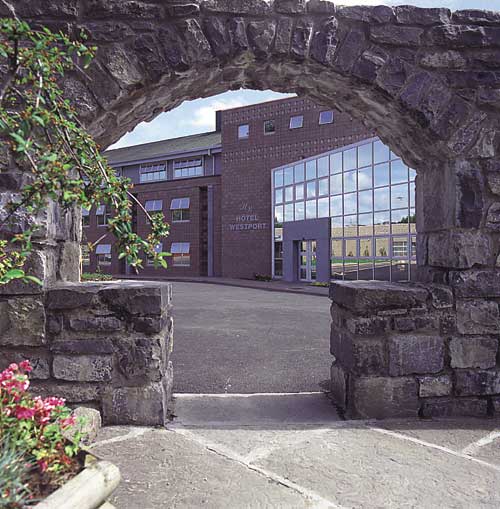
Hotel Westport, Westport, Co. Mayo
Theme: "Empowerment through Communication"
Keynote Speaker: Ms. Mary Davis, Chairperson National Active Citizenship Board
Other Speakers & Workshop Facilitators:
Ms. Deirdre McHugh, Barrister & Lecturer GMIT Galway
Topic: Women’s Rights & Entitlements
Ms. Mary McDermott, Life Coach, Coaching Solutions
Topic: Managing the Issues in Women’s Lives
Note: There is no attendance fee and lunch will be provided. However all attendees must pre book on a first come first serve basis.
What you need to do:
Please bring this invitation to the notice of your group members.
Nominate one member of the group to co-ordinate attendance.
All places should be booked via this contact person, who should also take responsibility for registering attendees on the day of the conference.
At time of booking please inform us of any special needs your members may have and we will make every effort to accommodate them.
To facilitate attendance a transport grant of €150 is available to groups with 10 or more attending. A registered company bill headed receipt from the bus company will be required to claim this grant.
Telephone Booking to:
Adrienne Lynam, Women's Health Co-Ordinator, on 091 775928

Looking for a Volunteer Job in Galway?


Great News! Galway City's first Volunteer Centre recently opened at the Westside Centre on the Seamus Quirke Road
According to its manager, Donncha Foley "The Centre provides information and advice to people interested in volunteering and to organisations looking for volunteers. We advertise vacancies, advise people on their options and help organisations support their volunteers."

This service will be of particular benefit to members of our community who often feel frustrated at being denied the right to work while their application for asylum-seeking status is being processed. The professional skills that we have are being ignored and are thus lost to the wider population of the country. Yet Ireland seems to be crying out for everything from doctors and economists through to cleaners and construction workers.

Though this volunteer service is only a few weeks old, nevertheless Donncha has a large number of interesting vacancies available. So why not visit the website at www.volunteergalway.ie where you can register online.

Asylum Overview May and June 2006-08-16

New Asylum Applications: 400 applications were received in May and 275 applications in June 06 totalling 675 applications for the months of May and June and giving a figure of 2,085 for the first half of 2006. Top countries of new arrivals: Nigeria: 22%, Romania: 10%, Sudan: 9%, Iran: 7%, Somalia:5%

Decisions at First Instance: Of some 831 applications for asylum on which a decision was made in May/June, some 61 applicants were recognised as refugees, 677 refused and 93 persons returned (Dublin 2 Convention) to have their application processed in another EU country.

Appeal Stage: Of 327 substantive (ie 15 day appeals of negative first instant decision, some 54 of those who appealed were recognised as refugees, 297 refused and 11 appeals withdrawn.

Family Reunification: Some 218 new applications (involving 570 dependants) were received in January – June 06; some 291 applications (involving 657 dependants) were processed to completion. New applicants` country of origin: Somalia: 38, Nigeria: 19, DR Congo: 15, Iraq: 12, Iran: 10, Other: 124

Direct Provision: At 23/07/06, there were some 4,116 asylum seekers in 41 centres in 22 counties- including 643 people in Mosney, 200-300 in 6 centres and 100 – 200 in 5 centres.

Self Catering: 9 Centres; (Cork, Dublin 6, Louth, Roscommon); residents: 418 (Capacity: 606)

Amnesty: Italy`s government recently approved a decree which will regularise the status of 350,000 irregular migrants. This is not only an act of solidarity towards migrants but also a decision in the interest of the community, said Sig. Ferrero, Italy`s Min. for Social Solidarity.

'First Response' Course- First Aid


Summer Course for Adults
Infant, Child & Adult chain of Survival
CPR for babies, toddler and adults

with
Public Health Nurses- Marian Brett & Helen Heagney

August 9 & 16 in Room 27, Eglinton

Only 8 places available

So sign up at reception now!

Eglinton Residents attend 'Irish Studies' University course


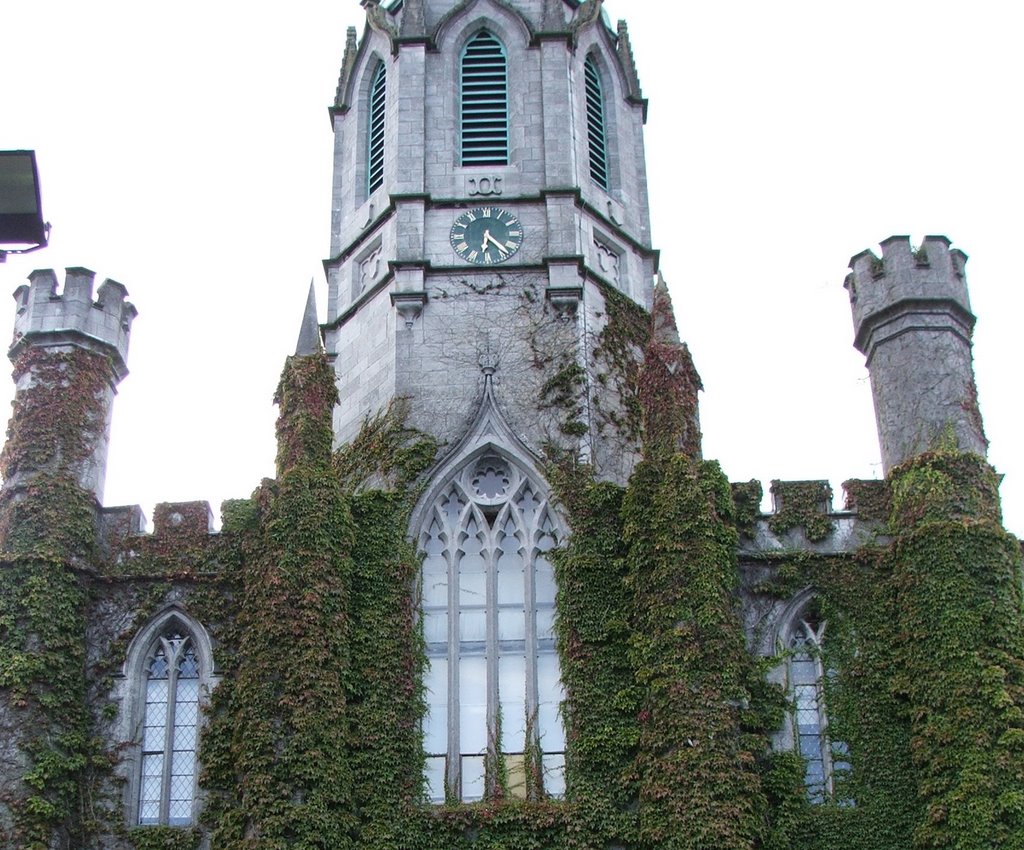
Thanks to the largesse of university academic Louise De Paor, a number of Eglinton Hotel residents recently commenced an 8 week-long 'Irish Studies' summer programme at the Culture Programme Centre for Irish Studies of NUI Galway
With course fees in excess of 1,800Euro, this concession was much appreciated!
We look forward to having some of the attendees later publish their opinions on different apects of Irish culture.

Asylum Seekers completed
An eight-week course specifically for Asylum Seekers in March, April, and May 2006 provided an introduction to Irish history and culture through an exploration of selected aspects of Irish traditional music, song and dance. Tutor was Meabh Ni Fhuarthain. The course combined formal classes with practical workshops on aspects of sean-nos singing. Invited guest speakers gave a variety of presentations on history, literature and film.

Week 1, March 16th :Ireland: modernity and tradition
Week 2, March 23rd: The harp in Irish history
Week 3, March 30: Sean-nos singing and the language of song and dance.
Week 4, April 6: The Famine
Week 5, April 13th The emigrant experience, development of new performance platforms
Week 6, April 20th Irish Literature and film
Week 7 April 27th Organizations and Festivals
Week 8, May 4th Student Presentations

On Friday 19th of May all students were presented with certificates followed by a party. Transport was provided funding came from the Galway Diocesan Secretary Fr Ian.

Stress Management Course

An 8 week stress management course for 10-12 residents organised by Lucy Dowling of the HSE's "Health Promotion' unit will take place in the 'The Annex', Community Services, Seamus Quirke Road.

Wordprocessing Classes- Friday September 29


Interested in learning how to type out a really good letter to a Government Department or agency?
Would you like to be able to get some useful tips on preparing a nice written job application?

A once-off 3hr class will take place on Friday September 29th at 3.15pm. Only seven places are available.
So please leave your name, telephone and room number immediately at the Eglinton Hotel reception for the attention of Brendan Smith

Asylum Seekers Put Down Roots in Irish Soil!


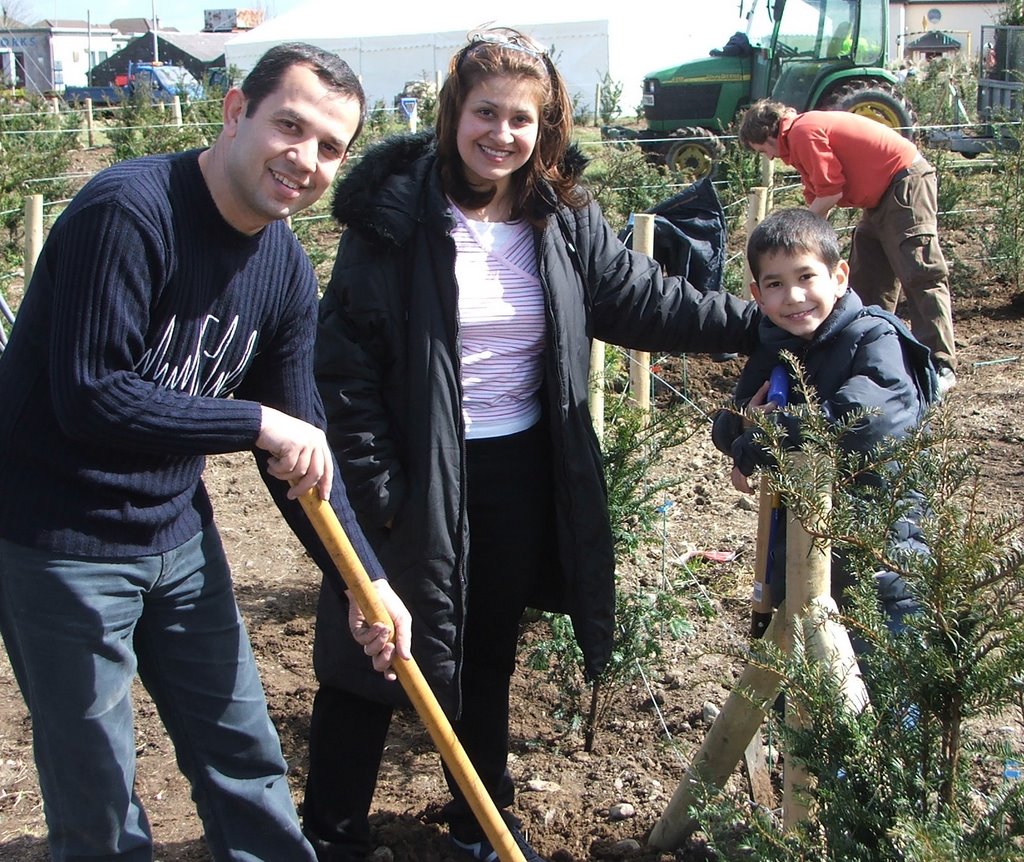
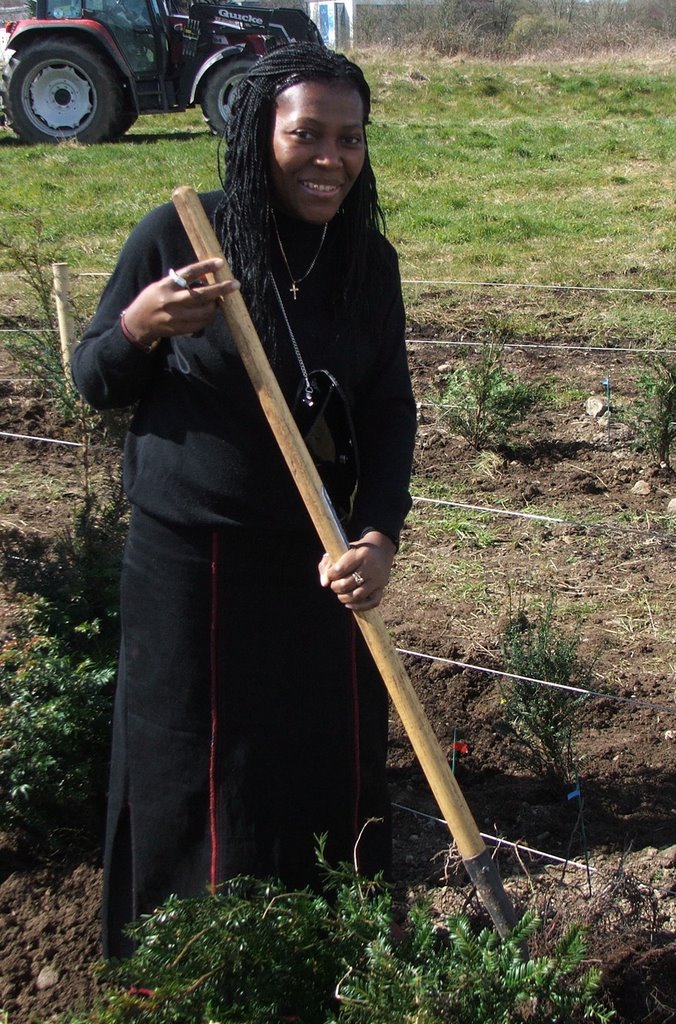
Last April, a large number of asylum seekers participated in a unique community planting initiative in Galway City.
City Hall invited the general public to plant trees in a pre-designed 'maze' beside the ruins of the well-known Terryland Castle. 'Maze' structures were once common features in the grounds of the great mansions of the ruling British artistocracy of the 17th-19th centuries.

However this maze was given a particular native Irish flavour- it was in the shape of a traditional 'Celtic' design of three interlocking 'spirals' and consisted solely of the indigenous 'Yew' trees.
1,800 trees were planted on the day by people of all races, creeds and ages.
The maze and castle are located in the grounds of Terryland Forest Park, one of Europe's newest and largest urban forest park developments